
Wood Burning Stoves
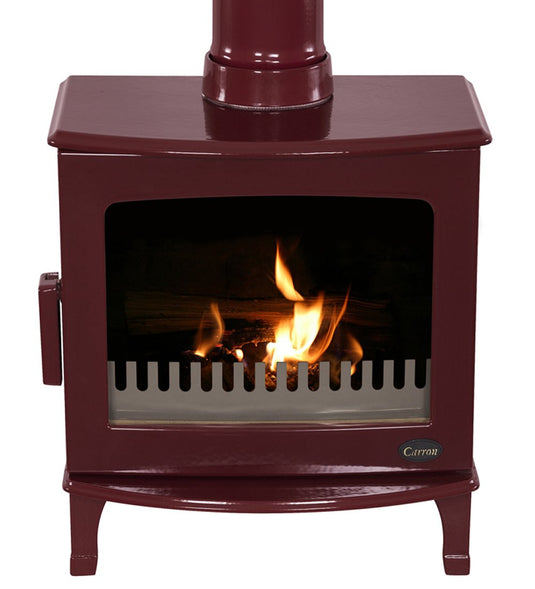
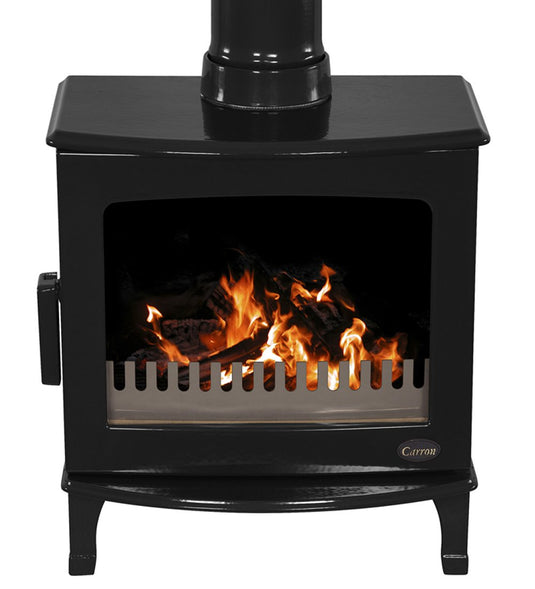
Wood burning stoves do more than just heat your home, they add charm, comfort, and an eco-conscious upgrade to your living space. Whether you're creating a cosy ambiance in a snug room or warming a larger area, a wood burning stove is both a stylish and practical choice.



Frequently Asked Questions
For more guidance, check out our guide on How to correctly light a wood burning stove
For more guidance, check out our How often you should get your chimney swept
Choosing the right wood-burning stove can be easier with a selection of trusted, high-quality brands. Some of the best stoves available include Charnwood, ESSE, Arada, AGA, Woodford, Morso, Stovax, and Ekol. Each brand is known for reliability, efficiency, and stylish designs, so you can find a stove that fits your home and heating needs.
Wood burning stoves can be cheaper than central heating, particularly if you have a good source of affordable or free wood. They’re especially cost-effective for heating individual rooms and can reduce how much you rely on your main heating system. The overall savings depend on factors like the cost and availability of fuel, the efficiency of your stove, and the size of the space you’re heating.
For the best performance and safety, burn dry, seasoned hardwoods like oak, ash, or beech. These woods burn hotter and longer, producing less smoke and creosote compared to softwoods. Avoid burning green wood, treated timber, or household waste, as they can create harmful smoke, damage your stove, and increase the risk of chimney fires. Ideally, wood should be seasoned for at least 12–18 months and have a moisture content below 20%.
A wood-burning stove can heat the room it’s in very well, and in some homes it can help warm nearby areas too. Whether it can heat an entire house depends on factors like the size and layout of the property, how well it’s insulated, and whether there’s good airflow to move the heat around. In most cases, a stove works best as a supportive heat source rather than the sole system for whole-house heating.
There are no plans to ban wood burning stoves. Recent rules simply require all newly manufactured stoves to meet Ecodesign standards, which ensures they burn more cleanly and efficiently than older models.
Because of the safety requirements around ventilation, flue installation and fireproofing, most people choose a HETAS-certified or similarly qualified installer. Using a certified professional ensures the stove is fitted safely, efficiently, and complies with all legal standards.
Most wood burners need either a suitable chimney or a properly installed flue system. If you have an existing chimney, it often requires a flue liner to ensure safe, efficient draw and to prevent smoke leakage. Homes without a traditional chimney can still have a stove installed using a twin-wall insulated flue, which runs through the house or externally. Your installer can advise which option is safest and compliant for your property.
For more guidance, check out our Can I Install A Wood Burning Stove Without A Chimney?
The size of the wood burning stove you need depends on the size of your room, the height of the ceiling, and how well your home is insulated. Choosing the right size is important, too small and the room won’t heat properly, too large and you could overheat and waste fuel.
Use our stove output calculator to find the perfect stove for your space.